

A Queen Creek home selling timeline often takes roughly 45 to 90 days from the decision to sell through closing. Preparation, pricing, buyer demand, and financing can move that range in either direction. The process follows a clear sequence: get the property ready, launch it effectively, negotiate an offer, and manage the contract through recording. Knowing the milestones in advance helps sellers make decisions without rushing when showings, requests, or lender deadlines arrive.
Queen Creek Home Sale Snapshot in 2026
| Metric | Current value |
|---|---|
| Median sale price | $687,495 in June 2026 |
| Median days on market | Approximately 42 days based on recent regional MLS tracking trends |
| List-to-sale price ratio | Approximately 98.4% for accurately priced properties |
| Average days from accepted offer to closing | 30 to 45 days for standard financed transactions |
The $687,495 median reflects 160 June 2026 residential sales in a postal-city area defined by Queen Creek ZIP codes, which may be wider than Town of Queen Creek limits. The series was reported by Attom Data as of July 2026 on the Queen Creek local market page.
How Long Does It Take to Sell a Home in Queen Creek?
A Queen Creek home selling timeline usually runs 45 to 90 days from the initial decision to sell through closing. That planning range includes pre-listing preparation, the active listing period, and the under-contract-to-close phase.
Preparation often takes 7 to 21 days for routine repairs, cleaning, staging, photography, pricing analysis, and document gathering. The listing period can be shorter when a home is positioned appropriately against active competition, while a more specialized property may need longer exposure. After acceptance, a financed transaction commonly needs another two to four weeks for title work, lender review, final loan conditions, and closing coordination.
The local transaction series reported 160 June 2026 sales with a $687,495 median sale price for the Queen Creek postal-city area. Regional tracking points to a median time on market of roughly 42 days, though sellers should evaluate property-specific competition rather than treating one market-wide number as a promise for an individual home.
Seasonality, available inventory, and price tier all influence timing. Buyer activity can shift before a new school year, while peak summer heat can affect showing schedules. Luxury homes, acreage properties, and equestrian-oriented residences may take longer because their buyer pool is more specific and their features require more detailed comparison.
Stage 1: Pre-Listing Preparation
Pre-listing preparation typically takes 7 to 21 days when a home needs normal touch-ups, staging, documentation, and professional marketing. The first step is a comparative market analysis that considers relevant closed sales, current competition, condition, lot characteristics, and the home's likely buyer audience.
Next, focus on visible maintenance and readiness rather than making every possible upgrade. In Queen Creek, buyers may closely evaluate outdoor living areas, pool equipment, HVAC performance, roof condition, landscaping, storage, and specialized features associated with acreage or horse properties. Service records and permits can make these details easier to explain.
Staging helps buyers understand room scale, storage, circulation, and lifestyle use. For a deeper look at how visual presentation influences buyer decisions, review our Queen Creek home staging guide. Photography should be scheduled after cleaning, staging, and repairs are complete, so the online presentation accurately reflects the showing experience.
Sellers should also organize disclosures and relevant property records before launch. The Arizona Department of Real Estate notes that most sellers provide a Seller's Property Disclosure Statement, while other transaction-specific disclosures may apply depending on the property and location. The Arizona Department of Real Estate Buyer Advisory outlines several documents buyers may review.
Accurate pricing and condition readiness generally have the clearest effect on buyer response. A home that compares well on price, presentation, and maintenance is less likely to lose momentum after the first weeks on market.
Pre-Listing Checklist
Before You List:
- Complete a comparative market analysis and set a pricing strategy.
- Address repairs that affect function, appearance, or buyer confidence.
- Clean, declutter, and prepare indoor and outdoor living areas.
- Stage rooms to clarify layout, storage, and intended use.
- Gather warranties, permits, service records, and HOA documents.
- Complete required and applicable property disclosures.
- Schedule professional photography after preparation is complete.
- Finalize MLS details and marketing materials before launch.
Stage 2: Listing, Showings, and Offers
The active listing period starts when a home enters the MLS and ends when the seller accepts an offer. Showings are commonly coordinated around seller availability, with practical access that allows qualified buyers to view the property without unnecessary barriers.
The earliest showing activity often gives the most useful feedback. Prompt tours, return visits, and substantive questions can indicate that the price and presentation are connecting with buyers. When activity is limited, sellers should review feedback, competing inventory, condition, and pricing before making a measured adjustment.
The Queen Creek postal-city series recorded 160 June 2026 sales and a median sale price of $687,495, with regional market data indicating a median time on market of roughly 42 days. Active listing windows remain property-specific, especially across luxury, acreage, and mid-range segments.
Pricing relative to genuine comparables is central during this stage. A home positioned above similar active choices may generate interest without producing a workable offer. Strong presentation and reasonable access can improve momentum, particularly when the property is clearly described within Queen Creek homes and market information.
Multiple offers can occur when a well-prepared home meets concentrated demand. During slower absorption periods, sellers may receive fewer offers and need to weigh price, financing strength, credits, contingencies, and closing timing with more care.
Listing-to-Close Timeline at a Glance
| Stage | Typical Duration | Key Tasks |
|---|---|---|
| Pre-Listing Prep | 7 to 21 days | Pricing review, repairs, staging, photography, disclosures |
| Active Listing Period | Property-specific (~42 days median) | MLS launch, showings, feedback, pricing review |
| Offer Negotiation | 1 to 3 days | Review price, terms, credits, contingencies, closing date |
| Inspection & Due Diligence | 7 to 10 days | Buyer investigations, document review, repair discussions |
| Appraisal | 1 to 3 weeks | Valuation order, property visit, report review |
| Loan Underwriting | 2 to 4 weeks | Income, asset, title, and loan-condition review |
| Final Walk-Through & Closing | 1 to 3 days | Final review, signing, recording, possession |
The 7 to 21 day preparation range and property-specific listing window are planning estimates. Regional trends indicate a median time on market of roughly 42 days.
Stage 3: Under Contract - Inspections, Appraisal, and Contingencies
The under-contract period converts an accepted offer into a completed sale, and sellers need to track each contractual deadline closely. Buyer due diligence generally begins soon after acceptance, including property investigations, disclosure review, and evaluation of the home's systems and features.
Requests during this stage may involve repairs, credits, documentation, or a buyer's decision to proceed under the agreed terms. Sellers can reduce friction by organizing records for recent work, pool servicing, roof maintenance, HVAC maintenance, permits, and HOA information before the home is listed.
An appraisal is generally ordered after the lender has the signed contract and loan file. Timing depends on appraiser availability, lender workflow, and the property's complexity. Luxury properties, acreage, and homes with unusual improvements may need more detailed comparable-sale analysis, which can extend the review.
Arizona residential resales generally do not have a standard attorney-review period. Title and escrow professionals coordinate the closing process, while the purchase contract sets the key contingency and performance dates. For some transactions involving five or fewer unsubdivided parcels in an unincorporated county area, an affidavit of disclosure may be required. This requirement is transaction-specific, not automatic for every Queen Creek resale.
Deals can stall when condition issues remain unresolved, value does not support the agreed price, financing documentation is incomplete, title matters emerge, or contractual deadlines are missed. Clear records and prompt written responses give sellers more room to solve issues before closing.
Stage 4: Loan Underwriting and the Final Stretch
Loan underwriting is the lender's final review of the buyer's income, assets, credit, property file, and title-related requirements before clear to close. Conventional, FHA, and VA financing can involve different documentation requirements, so sellers should follow the financing milestones in the contract rather than assume any loan type will close on a fixed schedule.
A financed transaction often requires two to four weeks after acceptance for valuation review, title work, underwriting, and final conditions. Cash purchases may move faster. Updated income documents, title exceptions, valuation questions, or lender-required corrections can add time.
For covered mortgage loans, the buyer must receive a Closing Disclosure at least three business days before closing. The Consumer Financial Protection Bureau explains the Closing Disclosure requirement.
Sellers can protect the final stretch by keeping utilities active, maintaining the property in substantially agreed condition, completing negotiated work on time, and avoiding last-minute access or possession changes. The final walk-through usually occurs shortly before signing to confirm that the home meets the contract's requirements.
Pro-Tip: Missing payoff, HOA, repair, or title documents commonly delay closing. Gather these records before listing and respond quickly when escrow requests an updated item.
What Affects Your Net Proceeds and Closing Costs in Queen Creek
Your net proceeds equal the sale price minus mortgage payoff amounts, negotiated buyer credits, transaction expenses, and other seller obligations. The compensation structure in the listing and purchase agreements is often the largest variable, and it should be understood before the home is launched.
Arizona currently does not impose a state, county, or municipal real-estate transfer tax on a typical resale. Article IX, Section 24 of the Arizona Constitution generally prohibits new taxes, fees, stamp requirements, or assessments on real-property transfers, subject to its exception for charges that existed on December 31, 2007.
Title and escrow charges vary by provider and by negotiated contract allocation. Sellers may also have owner's title policy costs, payoff-related charges, prorated property taxes, HOA resale-document fees, transfer fees, repair credits, and other agreed expenses.
Property taxes are normally prorated through the closing date. HOA-related costs vary because each association sets its own resale-document, transfer, and processing charges. Attorney fees are not usually a standard cost in a conventional Arizona residential resale, although either party may choose to retain legal counsel for a specific issue.
Recording charges should be confirmed with the recorder in the county where the property is located. Queen Creek properties may be in Maricopa County or Pinal County, and document requirements can differ. Pinal County publishes its recording fee schedule.
Estimated Seller Closing Costs in Queen Creek
| Cost Item | Typical Range or Rate | Who Pays (Seller / Negotiable) |
|---|---|---|
| Agent Commission | Contractual and negotiable | Negotiable |
| State Transfer Tax | $0 on a typical resale | Seller does not pay a state transfer tax |
| County/Municipal Transfer Tax | $0 on a typical resale | Seller does not pay a county or municipal transfer tax |
| Attorney Fee (if applicable) | Varies by legal service | Seller, if retained |
| Title/Escrow Fee | Varies by provider and contract allocation | Negotiable |
| HOA Transfer Fee | Varies by HOA | Negotiable |
| Prorated Property Tax | Based on closing date and tax bill | Seller share through closing |
| Recording Fees | Vary by county and document type | Negotiable |
Arizona's transfer-tax framework is set out in Article IX, Section 24 of the Arizona Constitution. Recording fees and document requirements should be verified with the applicable county recorder before closing.
Ready to Start Your Queen Creek Home Sale?
Ron Pfaff guides sellers through pricing strategy, preparation, contract milestones, and closing day across Queen Creek, Gilbert, San Tan Valley, Chandler, Mesa, Apache Junction, Scottsdale, Tempe, and Phoenix. Call or text +1(480) 462-7235 for a no-pressure conversation about your expected timeline and likely net proceeds.
Frequently Asked Questions
How long does it take to sell a house in Queen Creek right now?
Most sellers should plan for about 45 to 90 days from preparation through closing. The property-specific listing period can vary substantially, while regional tracking indicates a median time on market of roughly 42 days.
What are the typical closing costs for a seller in Queen Creek?
Seller expenses may include negotiated compensation, title and escrow charges, prorated property taxes, HOA fees, payoff charges, repair credits, and recording-related costs. Arizona currently does not impose a state, county, or municipal real-estate transfer tax on a typical resale.
What is the best time of year to list a home in Queen Creek?
The best timing is when the home is fully prepared and positioned competitively within its segment. Buyer activity can shift before a new school year, while luxury, acreage, and equestrian properties may require a more individualized launch strategy.
How long does the under-contract period take in Queen Creek?
A financed sale often needs roughly two to four weeks after acceptance for valuation review, underwriting, title work, and final loan conditions. Covered mortgage loans also require the buyer to receive the Closing Disclosure at least three business days before closing.
What can slow down or kill a home sale after an offer is accepted?
Unresolved condition concerns, valuation gaps, incomplete financing documents, title issues, and missed contractual deadlines can disrupt a signed contract. Sellers can reduce preventable problems by organizing property records early and responding quickly to escrow and lender requests.
FROM OUR BLOG
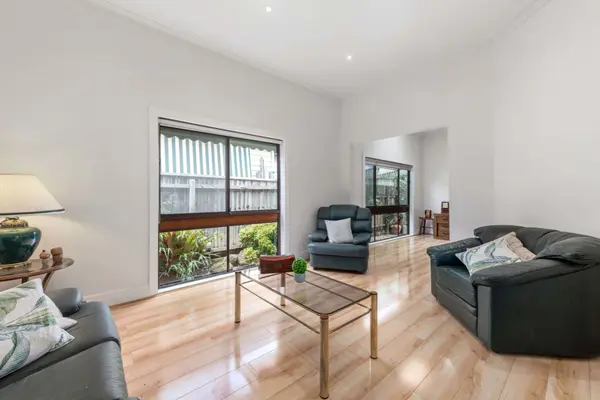

Home Repairs Before Listing in Queen Creek: What's Worth the Cost
Home repairs before listing in Queen Creek are worth the cost when they remove visible maintenance concerns, correct safety issues, and help the property feel move-in ready for its price tier. Sellers should usually skip highly personal renovations that add time without improving buyer confidence. R

How to Buy Luxury in Queen Creek: Off-Market & Pocket Listings
Learning how to buy luxury in Queen Creek often means looking beyond public search results. Some distinctive estates, acreage properties, equestrian homes, and highly customized residences are introduced through private agent networks before broad marketing begins. A buyer who is financially prepare

Is Queen Creek Good for First-Time Buyers?
Queen Creek can be a good place to buy a first home if your budget supports a market where the reported median sale price was $679,595 as of July 2026. The trade-off is clear: buyers may find newer homes, more space, and an East Valley setting, but need a disciplined payment plan. This guide examine