

Selling your home in Queen Creek starts with a credible price, polished presentation, complete disclosures, and a clear closing plan. Recent residential sales data from July 2026 shows an aggregate median sale price of $679,595 across the area. Individual results vary by condition, lot size, upgrades, property type, and the specific neighborhood location. This guide explains the decisions sellers face from initial preparation through the final key handoff, with particular attention to luxury, acreage, and equestrian-oriented properties.
Queen Creek Residential Sales Snapshot (2026)
| Metric | Value |
|---|---|
| Aggregate median sale price | $679,595 |
| Aggregate average sale price | $874,220.70 |
| Homes sold in June 2026 | 160 |
| Median sale price in June 2026 | $687,495 |
These figures reflect figures displayed on our local real estate market analysis as of July 2026. Current days on market, list-to-sale-price ratio, and active inventory vary based on specific property features and neighborhood micro-markets.
What the Queen Creek Market Looks Like Right Now
Queen Creek is a property-specific market where pricing, condition, land utility, and presentation can matter more than a broad citywide label. Local sales records for the Queen Creek postal-city area showed an aggregate median residential sale price of $679,595 and an average of $874,220.70 in mid-2026.
Monthly sales results varied throughout 2026. The median sale price was $647,489 in February, $726,500 in May, and $687,495 in June, when 160 homes sold. The changing monthly mix illustrates why sellers should not price a home from a citywide average alone. A property with acreage, horse facilities, a pool, workshop space, guest accommodations, or substantial outdoor improvements needs a more tailored comparison set.
Turnkey homes with modern finishes can compete differently from homes that need cosmetic work, system updates, or landscape improvements. Buyers evaluating higher-price properties often compare the complete ownership experience, including lot usability, shade, storage, outdoor entertaining areas, and the apparent condition of major features.
For an accurate listing decision, active competition, new listings, showing feedback, and closely comparable pending and closed sales provide the most useful guidance.
Step 1: Decide When to Sell and Whether You Are Ready
The right time to sell is when your financial plan, moving timeline, and property preparation align. Queen Creek recorded 124 sales in January 2026, 263 in May, and 160 in June. That pattern suggests activity can change by season, but it does not establish a single selling window for every price tier or property type.
Before listing, sellers should be able to answer yes to a few practical questions:
- Will the expected proceeds cover the mortgage payoff, closing costs, moving expenses, and next-home cash needs?
- Can the property remain clean, accessible, and photo-ready during showings?
- Is there a workable plan if the closing date and next move do not align perfectly?
- Are maintenance records, warranties, permits, and feature details ready for buyer review?
Luxury and equestrian-oriented properties can require more lead time. Pools, irrigation, fencing, outbuildings, guest quarters, shade structures, and specialized improvements should be documented and presented clearly. Starting with determining your property's current market value can establish a practical starting point using comparable sales, active competition, and unique features.
Step 2: Price Your Home to Sell, Not Just to List
A strong Queen Creek list price reflects relevant comparable sales and buyer alternatives, not the highest aspirational number. The $679,595 aggregate median offers broad context for the Queen Creek area, but it is not a direct pricing recommendation for an individual home.
A comparative market analysis should examine recent closed sales, active listings, withdrawn listings, lot utility, upgrades, condition, location, and competing buyer choices. For acreage or equestrian homes, the review should also account for fencing, access, shade structures, workshop space, water features, and usable outdoor areas. Those details carry real value, but they need support from comparable properties and current competition.
Overpricing can reduce early showing activity, which may cause buyers to question value or seller flexibility. A price that compares well with available alternatives creates stronger initial interest. A higher launch strategy can still be appropriate for a distinctive property, but it should include a clear review point based on showing volume, buyer feedback, and competing listings.
Common Pricing Mistakes in Queen Creek
- Anchoring to an automated online estimate instead of comparable closed sales with similar land, condition, and amenities.
- Ignoring condition adjustments when competing homes offer updated systems, landscaping, or turnkey outdoor spaces.
- Launching high without a review deadline for showings, feedback, and competing listings.
- Making small price reductions too late after the listing has lost its early momentum.
Step 3: Prepare Your Home, What Actually Moves the Needle
The most productive pre-listing work usually starts with visible repairs, deep cleaning, and clear evidence that the home has been maintained. Buyers notice deferred maintenance quickly, especially when comparing homes in similar price ranges. Address damaged flooring, worn paint, leaking fixtures, neglected landscaping, inoperable equipment, and unfinished exterior details before investing in highly personalized upgrades.
Next, focus on cosmetic improvements that strengthen photographs and in-person showings. Neutral paint, repaired hardware, clean grout, updated lighting, uncluttered rooms, and a maintained entry can improve perceived condition without requiring a full renovation. In Queen Creek, outdoor areas deserve the same attention as interiors. Pools, patios, shade structures, barbecue areas, gates, fencing, and landscape features should look functional, maintained, and ready to use.
Staging is most helpful when it clarifies a room's purpose or makes its scale easier to understand. Deep cleaning matters in kitchens, bathrooms, windows, flooring, garages, and outdoor entertaining spaces. On larger properties, organize workshops, storage areas, and outbuildings so buyers can assess utility without distraction.
A pre-listing inspection can help identify roof, HVAC, plumbing, electrical, drainage, pool-equipment, and visible-condition concerns before launch. Avoid expensive remodels with a narrow personal style unless comparable properties clearly show buyer demand for that level of finish.
Seller Costs: What to Expect at Closing in Queen Creek
| Cost item | Typical range or rate | Who pays | Notes |
|---|---|---|---|
| Agent commission | Negotiated in the listing agreement | Seller / negotiable | Confirm compensation terms before listing. |
| Transfer tax or deed tax | No standard Arizona percentage-based transfer tax | Seller / negotiable | Recording and document-related charges may still apply. |
| Title and escrow fees | Varies by provider and contract terms | Negotiable | Allocation is set by the purchase contract and local custom. |
| Attorney fees | Not generally required for a standard closing | Seller / negotiable | Legal advice may be appropriate for estates, trusts, or title issues. |
| Home warranty | Optional and negotiated | Seller / negotiable | May be offered as a marketing feature or requested in negotiations. |
| Prorated property taxes | Varies by closing date and tax bill | Seller | Taxes are adjusted through closing based on ownership period. |
| Seller concessions | Negotiated | Seller / negotiable | Credits may relate to closing costs, repairs, or other agreed terms. |
Arizona generally requires an Affidavit of Property Value for real property transfers unless an exemption applies. Official guidance from state revenue authorities outlines affidavit rules and exemptions.
Step 4: Navigate Disclosures and Legal Requirements
Arizona sellers must disclose known material facts accurately and completely. Most resale transactions use a Seller's Property Disclosure Statement (SPDS) to communicate known information about the home's condition, utilities, roof, plumbing, heating and cooling, prior repairs, pests, environmental matters, ownership issues, and association-related information.
The practical standard is straightforward: disclose what you know, organize supporting records, and do not minimize unresolved problems. A recurring roof leak, drainage concern, insurance claim, unpermitted improvement, boundary issue, malfunctioning system, or repair that did not correct the underlying concern can affect a buyer's decision.
Additional documentation may be required for homeowners associations, solar agreements, leases, title matters, and lead-based paint disclosures for homes built before 1978. Properties with land, wells, septic systems, irrigation equipment, or specialized improvements require additional records and clear explanation.
State real estate advisory standards note that disclosure duties continue even if an SPDS is not delivered. Incomplete disclosure can delay closing or create post-closing disputes. Sellers should organize permits, repair invoices, warranties, manuals, and relevant written communications before launch.
Step 5: Review Offers and Negotiate Effectively
The strongest offer combines price, certainty, timing, and workable conditions, not simply the highest headline number. Queen Creek sellers should compare financing strength, earnest-money terms, due-diligence deadlines, concession requests, closing date, possession terms, and included personal property.
A higher offer can result in a lower net outcome if it includes broad contingencies, limited buyer funds, difficult repair expectations, or a timeline that does not fit the seller's move. A lower offer with clear financing, realistic deadlines, and fewer seller obligations may offer a more dependable path to closing.
If multiple offers arrive, compare projected net proceeds side by side. Review escalation clauses carefully so the maximum price, proof of competing offers, and financing capacity are clear. Counteroffers can address price, credits, deadlines, repairs, included items, and possession, but every change should remain specific and measurable.
Step 6: Move Through Escrow and Close
Escrow begins after both parties sign the purchase contract and continues through the deadlines in that agreement. During this period, the buyer completes due diligence, the lender finishes underwriting, the title company reviews ownership and lien records, and both parties respond to contract requests.
After inspections, a seller may agree to repairs, decline a request, offer a credit, provide records, or negotiate another solution. If the appraisal comes in lower than the contract price, the parties may renegotiate, the buyer may bring additional funds, or the agreement may terminate if the contract permits it.
The title process identifies matters affecting ownership and prepares the documents needed for transfer. Before closing, buyers commonly complete a final walkthrough to confirm that the home remains in agreed condition and that included items are present.
Arizona residential transactions commonly use title and escrow professionals rather than attorney-led closings. The contract, lender requirements, title work, buyer due diligence, and any negotiated repairs determine the actual timeline. Organize keys, remotes, access codes, utility information, repair records, and manuals well before the final handoff.
Your Net Proceeds: A Simple Framework
Estimate your net proceeds before accepting an offer:
- Start with the anticipated sale price.
- Subtract the mortgage payoff and any recorded liens.
- Subtract negotiated closing costs and compensation.
- Subtract buyer concessions, repair credits, warranty costs, and agreed seller expenses.
- Reserve funds for moving, temporary housing, and the next purchase if applicable.
If your home has appreciated significantly and you have owned it for fewer than two years, discuss potential capital-gains considerations with a qualified tax professional.
Learn more about local lifestyle trade-offs in our guide on living in Queen Creek. To discuss your home's current market value or outline a timeline tailored to your goals, connect with our team at Roan Group today.
Frequently Asked Questions
How long does it take to sell a home in Queen Creek right now?
An individual sale timeline depends on price, property condition, land utility, and buyer response. Strong, accurately priced properties in desirable neighborhood locations tend to attract interest quickly, while unique luxury or equestrian acreage may require additional targeted marketing exposure.
What are the total costs of selling a home in Queen Creek?
Total seller expenses may include negotiated compensation, title and escrow charges, property-tax prorations, mortgage payoff, concessions, repairs, and optional warranty coverage. Arizona generally requires an Affidavit of Property Value for real property transfers unless an exemption applies.
Do I need an attorney to sell a home in Queen Creek?
A standard Arizona residential closing does not generally require an attorney because licensed title and escrow professionals coordinate the transaction. Legal guidance may still be useful for trusts, estates, divorce matters, complex title concerns, or unusual ownership structures.
Should I sell before I buy my next home, or buy first?
Selling first clarifies available equity and a realistic next-home budget before taking on another purchase. Buying first offers more moving flexibility, but it can create overlapping carrying costs and require stronger financial reserves if the current home takes longer to sell.
What is the best time of year to sell a home in Queen Creek?
The best launch date is when the home is prepared and your financial and moving plans are ready. Queen Creek market activity naturally fluctuates across seasons, but well-presented homes priced correctly attract qualified buyers throughout the year.
FROM OUR BLOG
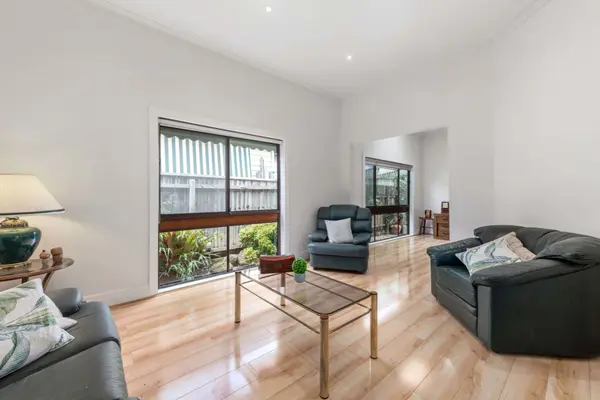

Home Repairs Before Listing in Queen Creek: What's Worth the Cost
Home repairs before listing in Queen Creek are worth the cost when they remove visible maintenance concerns, correct safety issues, and help the property feel move-in ready for its price tier. Sellers should usually skip highly personal renovations that add time without improving buyer confidence. R

How to Buy Luxury in Queen Creek: Off-Market & Pocket Listings
Learning how to buy luxury in Queen Creek often means looking beyond public search results. Some distinctive estates, acreage properties, equestrian homes, and highly customized residences are introduced through private agent networks before broad marketing begins. A buyer who is financially prepare

Is Queen Creek Good for First-Time Buyers?
Queen Creek can be a good place to buy a first home if your budget supports a market where the reported median sale price was $679,595 as of July 2026. The trade-off is clear: buyers may find newer homes, more space, and an East Valley setting, but need a disciplined payment plan. This guide examine